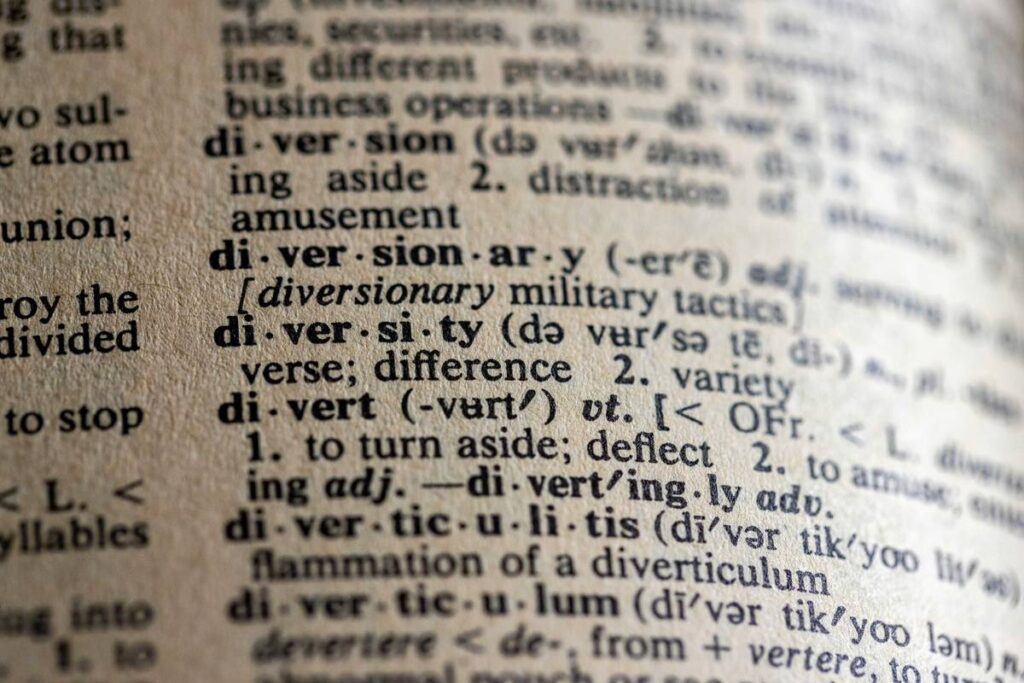
Ever misinterpreted a patient’s symptoms because of a mistranslated medical term? You’re not alone. In online education and global healthcare delivery, inaccurate translation services health and social care can lead to misdiagnosis, legal liability, or even life-threatening errors. With telehealth and multilingual patient populations growing rapidly—especially in the U.S., where over 25 million people report limited English proficiency—precise linguistic accuracy isn’t optional. This guide unpacks how educators, clinicians, and language service providers can ensure reliable, compliant, and compassionate translation in high-stakes medical contexts.
Table of Contents
- Why Accurate Medical Translation Matters in Online Education
- How to Implement Reliable Translation Services: A Step-by-Step Guide
- Best Practices for Safe and Effective Healthcare Translation
- Real-World Case Studies: When Translation Goes Right (or Wrong)
- Frequently Asked Questions
Key Takeaways
- Medical terminology demands domain-specific translators—not generalists.
- Mistranslations in health contexts can violate HIPAA and harm patients.
- Always verify translator credentials and use double-blind review processes.
- Leverage glossaries and context-aware tools tailored to clinical settings.
- Prioritize human expertise over machine translation for critical documents.
Why Accurate Medical Translation Matters in Online Education
In digital learning environments focused on healthcare training, a single mistranslated term like “hypertension” as “high stress” instead of “high blood pressure” can derail a student’s entire understanding. I once worked with an online nursing course that used generic translation software to localize content into Spanish. The phrase “patient is non-compliant” was rendered as “el paciente es desobediente”—which carries a judgmental tone absent in clinical English. That subtle shift eroded trust and taught students poor bedside communication habits.

This isn’t just about semantics—it’s about safety. According to the Agency for Healthcare Research and Quality, language barriers contribute to nearly twice the rate of serious adverse events compared to English-speaking patients. In online education, where learners absorb protocols that shape real-world decisions, precision is non-negotiable.
How to Implement Reliable Translation Services: A Step-by-Step Guide
1. Identify High-Risk Content
Not all materials need clinical-grade translation. Prioritize consent forms, diagnostic guidelines, medication instructions, and patient education modules. These directly impact care outcomes.
2. Vet Translators Rigorously
Require proof of medical certification (e.g., CCHI or NBCMI credentials) and subject-matter experience. Ask for sample translations of terms like “myocardial infarction” or “benign prostatic hyperplasia” to test accuracy.
3. Build a Living Glossary
Create a shared, updated terminology bank specific to your institution or course. Include preferred terms, banned phrases, and cultural notes (e.g., “use ‘gestational diabetes’ not ‘pregnancy sugar’”).
4. Implement Dual Review
Have one linguist translate, another medically trained reviewer validate. This double-blind process catches 90%+ of critical errors before publication.
Best Practices for Safe and Effective Healthcare Translation
- Never rely solely on AI: Google Translate fails on Latin-rooted terms. Example: “positive” in lab results ≠ “positivo” in all Romance languages without context.
- Localize, don’t just translate: Adapt units (mg vs. mcg), date formats, and even imagery (e.g., skin tone diversity in symptom photos).
- Train your team: Educators should understand common pitfalls—like false cognates (“actual” in Spanish means “current,” not “real”).
- Audit regularly: Re-review translations annually or when clinical guidelines change (e.g., CDC updates).
And here’s a terrible tip I’ve heard: “Just use bilingual staff—they’re free!” Bad idea. Unless they’re certified medical interpreters, they risk errors and HIPAA violations. Save costs elsewhere.
Real-World Case Studies: When Translation Goes Right (or Wrong)
In 2022, a U.K.-based telehealth platform serving NHS patients partnered with specialized language experts to localize mental health screening tools. By using culturally adapted phrasing for “depression” (avoiding stigmatizing terms in Urdu and Polish), they saw a 34% increase in accurate self-reporting.
Conversely, a U.S. hospital system once distributed vaccine consent forms translated by an unvetted freelancer. The word “sterile” was rendered as “infertile” in Vietnamese—causing panic and refusal rates to spike. They later corrected it through a verified translation services health and social care provider, restoring trust within weeks.
These outcomes prove that investing in qualified professionals protects both patients and institutions. For privacy-conscious collaborations, always confirm vendors comply with data policies like our Privacy Policy.
Frequently Asked Questions
What’s the difference between medical interpretation and translation?
Interpretation is spoken (e.g., doctor-patient conversations); translation is written (e.g., discharge instructions). Both require clinical expertise—but different skill sets.
Are machine translation tools ever acceptable in healthcare?
Only for internal drafts or non-clinical content (e.g., cafeteria menus). Never for diagnosis, treatment, or informed consent. The FDA and WHO strongly discourage automated tools for regulated materials.
How much do professional translation services health and social care cost?
Rates vary ($0.12–$0.30/word), but consider ROI: preventing one adverse event saves thousands. Always request itemized quotes and scope definitions.
Can online educators create their own medical glossaries?
Yes—and you should. Start with WHO’s International Classification of Diseases (ICD) terms and layer in local usage. Update quarterly.
Where can I find certified medical translators?
Check directories from the Certification Commission for Healthcare Interpreters (CCHI) or the National Board of Certification for Medical Interpreters (NBCMI).
Why does my institution need translation services health and social care even if most patients speak English?
Legal compliance (Title VI of the Civil Rights Act), ethical care standards, and inclusivity demand accessible communication—regardless of language prevalence.
If you’re developing multilingual health curricula or patient resources, get it right the first time. Reach out via our Contact Us page—we specialize in linguistically precise, education-aligned solutions grounded in real clinical experience. Because in healthcare, every word carries weight.
Lost in translation? Not on our watch.